Flo Mobility, 2021 to 2024
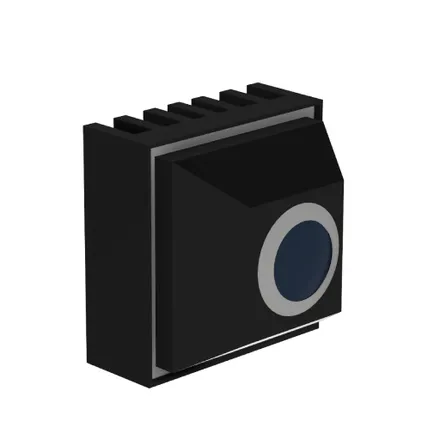
Flo Edge One
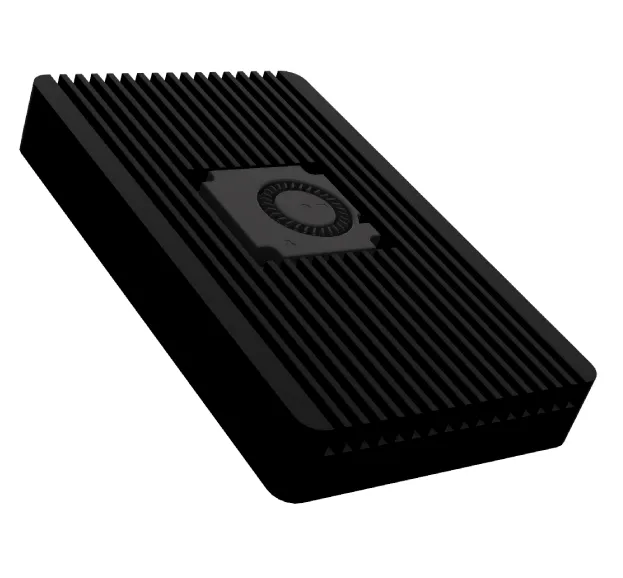
A rugged, ready-to-deploy edge computer for robotics and AI, built on Poco F1 smartphone hardware, that put a phone-class processor, camera and sensors into one aluminium box.
Product Owner, then Head of Product at Flo Mobility. I led the edge compute work that became Flo Edge, which ran our own robots and was offered to other robotics and AI teams as an affordable alternative to developer boards like the NVIDIA Jetson Nano.
What it does
- Runs computer vision and AI models on the device itself, with no cloud round trip.
- Comes with the sensors a robot needs already built in and calibrated: camera, motion sensor, satellite positioning and wireless links.
- Ships ready to deploy, with the common robotics software preinstalled, so a team starts on its application on day one.
- Survives outdoors in a rugged aluminium enclosure.
Who it was for
Robotics and IoT teams that need serious on-board AI in the field without the cost and integration work of a developer board plus separate sensors. It also powered Flo Mobility's own autonomous vehicles.
Key specs
| Chipset | Qualcomm SDM845 Snapdragon 845 (10 nm) |
|---|---|
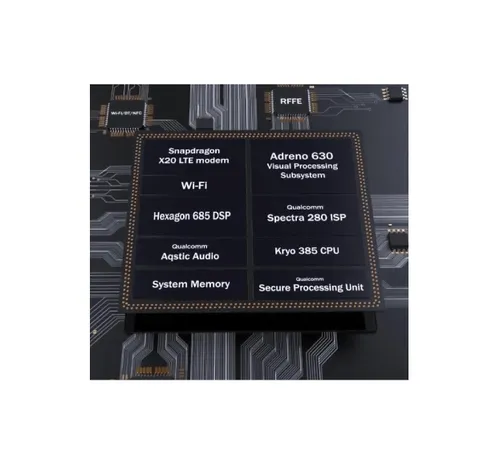
| CPU | Octa-core: 4 x 2.8 GHz Kryo 385 Gold and 4 x 1.8 GHz Kryo 385 Silver |
| GPU | Adreno 630 |
| DSP | Qualcomm Hexagon 685 |
| Memory and storage | 6 GB RAM, UFS 2.1 |
| Camera | 12 MP onboard |
| Motion | Pre-calibrated 9-axis IMU |
| Positioning | GPS, GLONASS, BDS |
| Connectivity | LTE, Wi-Fi 802.11 a/b/g/n/ac dual-band, Bluetooth 5.0 |
| USB | USB Type-C 2.0, OTG |
| Software | Ubuntu 22.04 with ROS2, OpenCV and TFLite |
| Enclosure | Outdoor-grade rugged aluminium body |
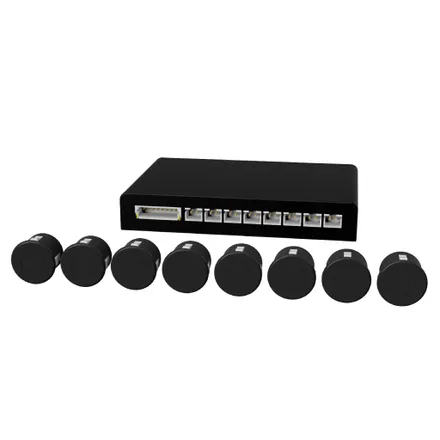
| Add-ons | 8-in-1 ultra low latency sonar kit over CAN and UART; full HD 175 degree fisheye camera with heatsink |
Values as published on the archived product page.
How it works
- A smartphone system-on-chip does the heavy lifting: its CPU, GPU and DSP run the AI models that would otherwise need a separate accelerator.
- The phone's own sensors become the robot's sensors, already calibrated, so there is no wiring of a separate camera or IMU.
- A standard Linux and robotics software stack sits on top, so existing ROS2 and OpenCV code runs as is.
- Add-on sonar and fisheye camera kits plug in for obstacle ranging and wide-angle vision.
Results and where it was used
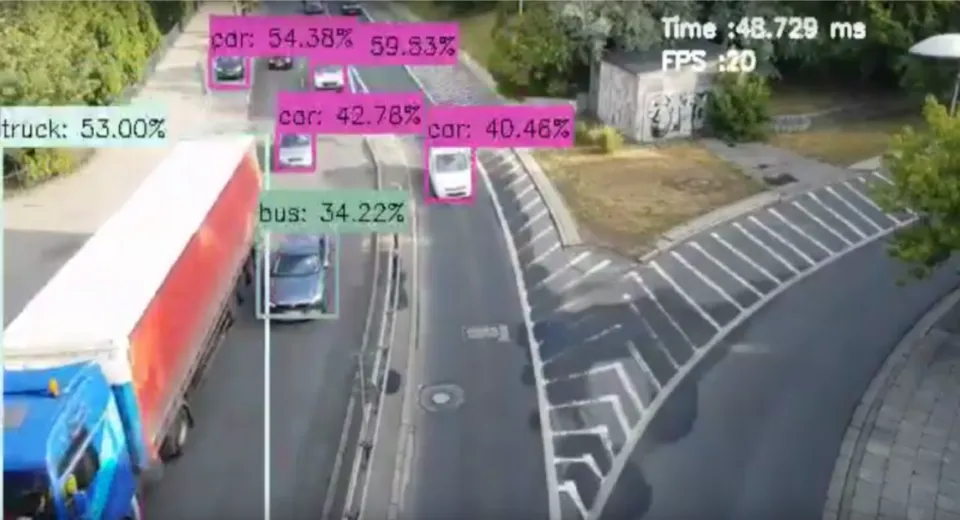
- Depth estimation (MiDaS) ran on the device at 57 milliseconds per frame, a smooth output of around 20 fps.
- Published demos on the device included YOLOv5 object detection and people counting, pose estimation, hand pose, gender and age detection, and semantic segmentation.
Pictures and video
Source: archived edge.flomobility.com page, 1 June 2023; benchmark from the archived MiDaS post, 30 September 2023.